



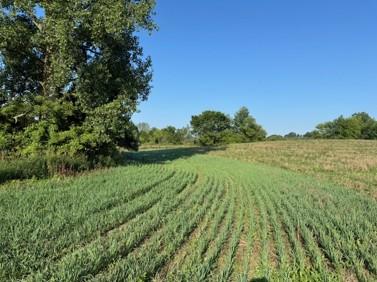
Nutrient runoff from agricultural sources is one of leading contributors to harmful algal blooms in the Western Lake Erie Basin. However, incentive-based conservation adoption programs such as Michigan’s Soil Health Investment Program are helping address the problem.
The Soil Health Investment Program, created by the Michigan Department of Environment, Great Lakes, and Energy with Great Lakes Restoration Initiative funding, is connecting producers with technical specialists to develop practical, farm-specific conservation plans. More than 60 farms are currently enrolled in the program and implementing precision nutrient management tools, in-field and edge-of-field erosion-reducing infrastructure, and year-round soil covers. These conservation practices help farmers reduce soil loss and nutrient runoff while promoting soil health and crop yield.
To learn more, visit Michigan State University Extension’s website: Michigan’s Soil Health Investment Program: A collaboration success story